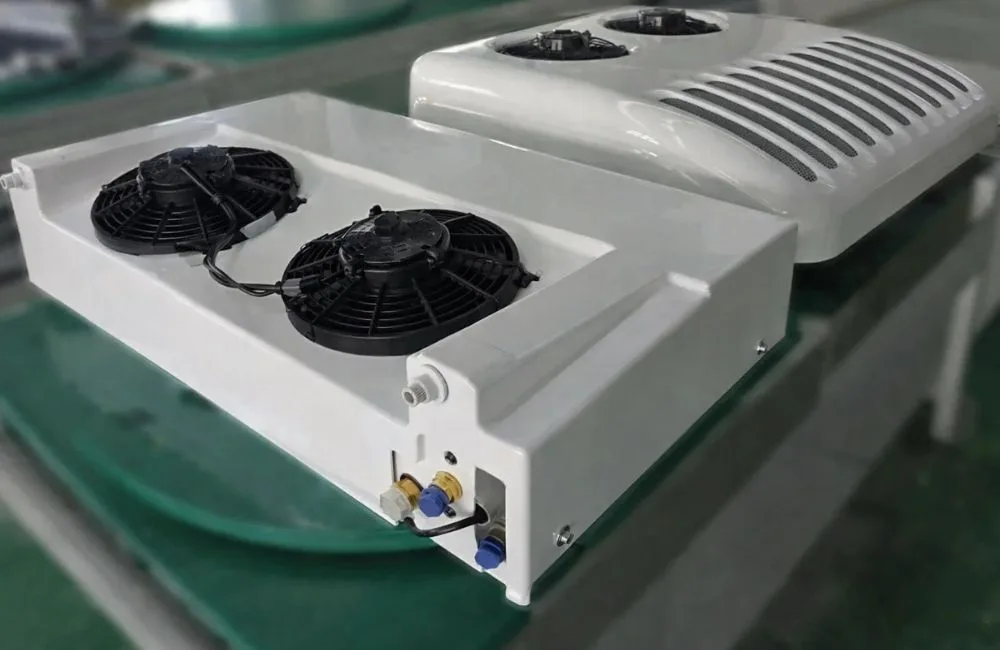
Chillers play a vital role in maintaining cooling efficiency for commercial buildings, industrial setups, and large facilities. In Sharjah, where high temperatures are common for most of the year, a malfunctioning chiller can disrupt operations, compromise comfort, and even increase energy costs. When a chiller shows signs of failure, professional experts step in to perform a thorough chiller repair service in Sharjah.
Diagnosing the root cause of chiller issues is a meticulous process. Proper identification ensures that the right repairs are applied, saving time, money, and preventing repeated breakdowns. Here’s how experts approach chiller diagnosis:
1. Initial Inspection and Visual Assessment
The first thing technicians do is check the chiller visually. This initial inspection helps them spot any obvious signs of damage or wear & gives them a good idea of where to look next.
What they check for:
- Leaks: Oil or refrigerant leaks around pipes or connections.
- Corrosion: Rust or decay on key components like coils and pumps.
- Wiring issues: Loose or damaged wires that could be causing problems.
- Blockages: Dirt or debris that might be obstructing critical parts, like the evaporator coils.
This step helps them narrow down potential trouble spots, so they know exactly where to focus their attention during the next steps.
2. Reviewing Performance History
Before jumping into the technical side, the experts often look at the chiller’s history. This includes reviewing data on things like temperature fluctuations, energy use, and pressure readings. This helps them understand the bigger picture.
They'll check:
- If the chiller has had any previous breakdowns or issues.
- Patterns of decreased cooling efficiency over time.
- Any changes in electrical or mechanical performance.
By reviewing this data, technicians can pinpoint any recurring issues, making it easier to target the parts most likely to fail.
3. Checking Refrigerant Levels and Quality
Low refrigerant or poor-quality refrigerant is one of the most common causes of chiller problems. When this happens, the cooling power drops, and the system becomes inefficient.
Here’s what technicians check:
- Refrigerant charge levels: They’ll compare these to the manufacturer’s recommendations.
- Signs of leaks: They’ll inspect pipes, valves, and connections for any signs of refrigerant escaping.
- Quality of the refrigerant: Contaminated refrigerant can cause long-term damage to the system, so they check for purity.
Getting the refrigerant levels and quality right is crucial for keeping the chiller working efficiently.
4. Assessing the Compressor Function
The compressor is like the heart of the chiller. If it’s not working, nothing else in the system will either. Technicians will check:
- Electrical connections: Making sure the compressor is receiving power.
- Unusual noises or vibrations: These could signal internal issues.
- Pressure and temperature: They’ll test the compressor’s performance under different loads.
By catching compressor problems early, they can avoid needing to replace the whole unit, saving you time & money.
Read more-What Should You Ask Before Hiring a Van Chiller Installer?
5. Inspecting Condenser and Evaporator Units
These two parts are crucial for heat transfer, so if they are dirty, damaged, or clogged, the system can’t cool effectively. Experts will:
- Check airflow: Make sure the condenser is not blocked by dirt or debris.
- Examine the coils: Look for signs of wear or leaks.
- Test the evaporator: Make sure it’s distributing cool air evenly.
These checks are essential to ensure your chiller is working efficiently, especially when it’s sweltering outside.
6. Electrical and Control System Diagnostics
Modern chillers rely heavily on electrical systems, sensors, & automated controls. If something’s wrong here, it can feel like a mechanical issue, but it’s actually an electrical problem.
Technicians will look at:
- Circuit boards and wiring: Ensure everything is wired properly and there are no faults.
- Sensor accuracy: Test sensors that monitor temperature, pressure, and flow.
- Control systems: Check if there’s an issue with the software or control panels.
Many times, fixing electrical or control issues can get the system working again without needing to replace mechanical parts.
7. Vibration and Noise Analysis
Strange vibrations or noises coming from the chiller could indicate something’s off balance. Experts use specialized tools to measure vibrations and pinpoint potential issues. They’ll check:
- Pump alignment and bearing wear.
- Fan and motor balance.
- Resonance that could affect other parts of the chiller.
By catching these problems early, they can prevent bigger issues down the line.
8. Leak Detection Techniques
Leaks, whether from refrigerant or water, can lead to inefficiency and system damage. Experts use various techniques to find leaks:
- Electronic leak detectors: These aid pinpoint refrigerant leaks from seals or valves.
- Pressure testing: Helps locate cracks or weak points in the system.
- UV dye: A special dye is used to find hidden leaks.
Detecting and fixing leaks as soon as possible prevents further damage and keeps the system running smoothly.
Conclusion
Diagnosing chiller issues is no small task—it’s a step-by-step process that involves a deep understanding of the system’s components, performance data, and common trouble spots. By carefully checking everything from refrigerant levels to electrical connections, technicians can accurately diagnose the root cause of any issues and recommend the best course of action. For reliable, professional chiller repair services in Sharjah, Mr. Airkon offers expert solutions tailored to your needs.