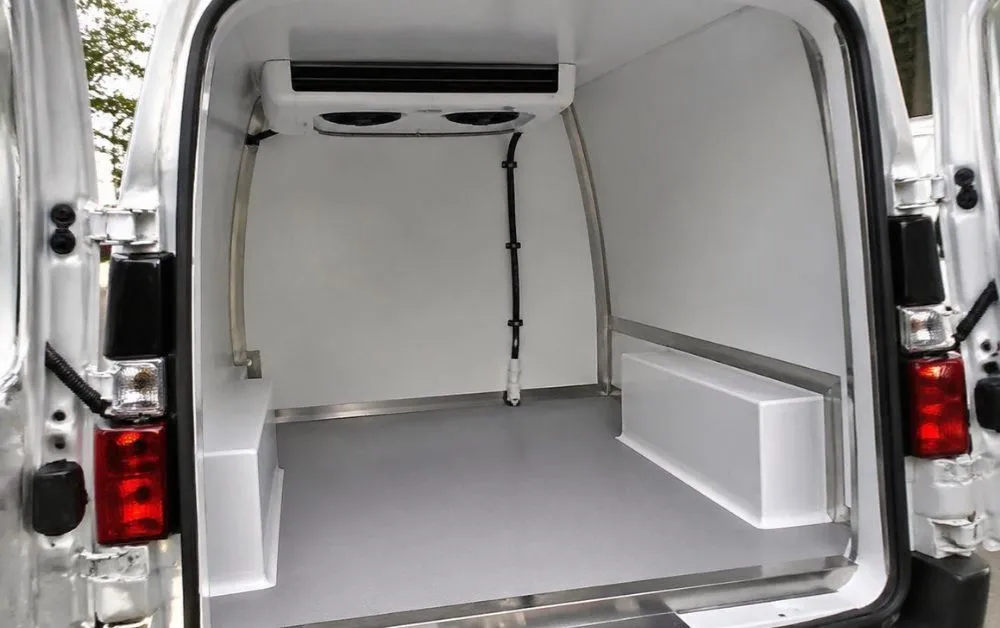
In the logistics and cold chain industry, maintaining product freshness during transport is non-negotiable. Whether it's food, pharmaceuticals, or temperature-sensitive goods, a reliable refrigerated van is essential. With the UAE’s extreme climate conditions, ensuring your van is equipped with the right cooling system becomes even more critical. That’s where professional installation of refrigerated units for vans in UAE comes into play.
If you're considering converting a standard vehicle into a refrigerated van, it’s important to understand the installation process—from insulation to final testing. Here’s a step-by-step look at how refrigerated van installation is done and what you should expect.
Assessment of Vehicle and Cargo Requirements
Before installation begins, technicians evaluate several key factors:
- Type of van (size, make, and model)
- Nature of the cargo (frozen goods, fresh produce, pharmaceuticals, etc.)
- Required temperature range
- Usage frequency and delivery routes
This helps in selecting the right refrigeration unit and insulation method tailored to your operational needs.
Interior Insulation and Paneling
A critical step in the installation process is insulating the cargo area to prevent heat infiltration and maintain temperature.
Insulation Process:
- Material Used: High-density polyurethane or styrofoam insulation panels are used for their excellent thermal resistance.
- Application: Insulation is fitted to the roof, side panels, floor, and doors.
- Thickness: Depends on the desired cooling—typically 50–100 mm for chilled cargo and up to 150 mm for frozen.
Once insulation is in place, the interior is lined with hygienic, washable, and waterproof panels (usually made of GRP or aluminum) to ensure durability and compliance with hygiene standards.
Selection and Installation of Refrigeration Unit
The heart of the system is the refrigeration unit, and its selection is based on:
- Required temperature range: Chiller (0°C to +8°C) or freezer (-18°C and below)
- Size of the cargo space
- Power source: Engine-driven, battery-powered, or standby electric
Installation Steps:
- Compressor Setup: Installed in the engine bay (for engine-driven systems)
- Evaporator Mounting: Placed inside the cargo area to circulate cool air
- Condenser Unit: Typically mounted on the roof of the van for efficient heat dissipation
All components are connected via insulated refrigerant lines and electrical wiring. Proper calibration is performed to ensure consistent cooling.
Drainage and Ventilation System
To avoid water accumulation and internal moisture, technicians install a drainage system that collects and expels condensation safely outside the van. Some setups also include ventilation fans to maintain airflow and avoid temperature layering inside the cargo area.
Temperature Monitoring and Control System
Advanced refrigerated vans come equipped with digital temperature control units, allowing drivers to monitor and adjust temperatures during transit. Many systems also include:
- Alarm notifications for temperature fluctuations
- Data loggers for compliance tracking
- Remote monitoring via mobile apps or dashboard screens
These controls help ensure that cargo remains at the desired temperature range, especially crucial for industries like food distribution and healthcare logistics.
Also Read-How to Choose the Right Van Refrigeration System for Your Business
Electrical Configuration and Standby Option
In the UAE, where delivery stops can be prolonged due to traffic or loading delays, many clients opt for a standby power feature. This allows the refrigerated unit to run on mains power when the engine is off.
Key Features:
- External power plug for connecting to warehouse or facility power
- Automatic switchover system to switch between engine and electric power
- Battery backup systems (in some configurations)
This setup ensures uninterrupted cooling during both transit and stationary periods.
Final Testing and Compliance Check
Before the vehicle is approved for use, a comprehensive quality check is performed, including:
- Temperature stability tests
- Leak checks for refrigerant lines
- Airflow analysis within the cargo area
- Electrical system testing
- Insulation integrity evaluation
Technicians also ensure that the installation complies with UAE’s food safety and transportation regulations, especially if the vehicle is used for food or medical deliveries.
Handover and User Training
Once everything is tested and verified, the vehicle is handed over to the client. Reputable installers also provide basic training on:
- Using the temperature control system
- Performing regular system checks
- What to do in case of malfunction
- When to schedule preventive maintenance
In Conclusion
Installing refrigerated units for vans in UAE is a complex yet crucial process that ensures safe and compliant transport of temperature-sensitive goods. From selecting the right system to performing insulation, electrical work, and testing, every step must be done with precision and expertise.
For reliable, professional refrigerated van installation and service in the UAE, trust Mr. AirKon—where cold chain excellence meets engineering expertise.