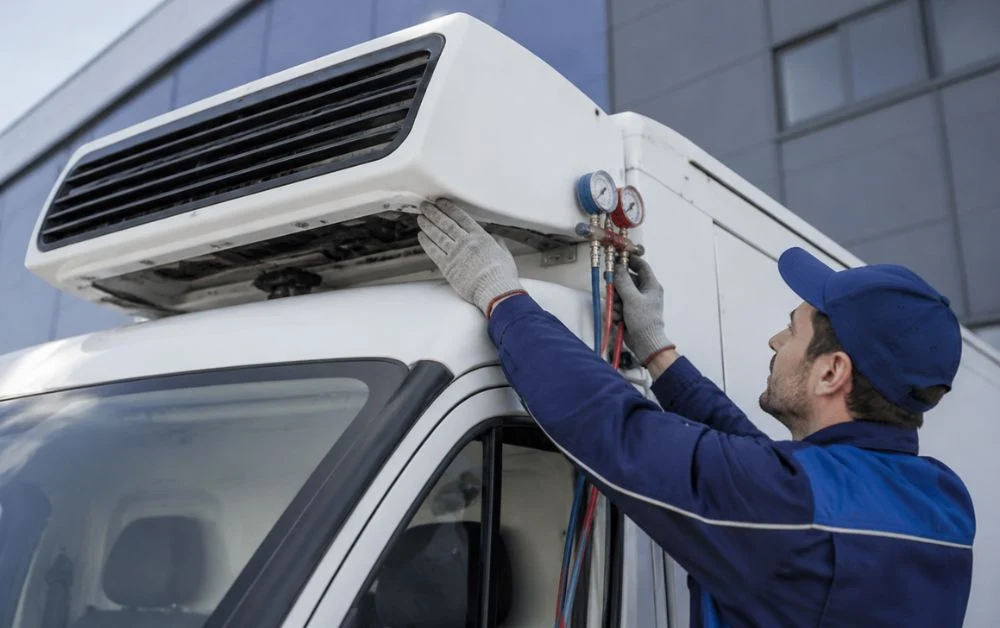
Transporting temperature-sensitive goods in a hot climate like Dubai’s is a logistical challenge. Whether it's food, pharmaceuticals, flowers, or cosmetics, maintaining the accurate temperature throughout the journey is crucial for product quality and safety. That’s where refrigerated vans come into play. But have you ever wondered how a van refrigeration system in Dubai manages to keep the cargo cool—even in scorching 45°C+ temperatures?
In this article, we’ll break down how a van refrigeration system works, the key components involved, and how it performs under extreme heat conditions commonly experienced in the UAE.
The Need for Refrigerated Transport in Dubai
Dubai’s climate is known for its intense heat, particularly during summer when asphalt temperatures can exceed 60°C. Businesses involved in cold-chain logistics—like food delivery, medicine supply, and floral services—depend on refrigeration systems to maintain freshness, safety, and compliance with local health regulations.
Without a properly functioning refrigeration system, goods can spoil rapidly, leading to financial loss, waste, and reputation damage. That’s why understanding how these systems operate in heat is essential for both vehicle operators and business owners.
Core Components of a Van Refrigeration System
Before diving into how it works under extreme heat, let’s explore the primary components of a typical van refrigeration system:
Compressor
The compressor acts as the heart of the system. It compresses the refrigerant gas and pumps it into the condenser.
Condenser
Located typically at the front or top of the vehicle, the condenser cools the high-pressure refrigerant gas into a liquid by expelling heat.
Evaporator
Placed inside the cargo area, the evaporator absorbs heat from the air inside, cooling it down and keeping the cargo space at a set temperature.
Refrigerant
This chemical substance circulates through the system and enables heat exchange. Common refrigerants, designed to handle a wide range of temperatures.
Insulated Van Body
An essential part of the refrigeration system, insulation minimizes heat transfer from the outside environment into the van, helping to maintain internal temperatures.
How the System Functions in High Heat
Operating a van refrigeration system heat poses unique challenges, which the system is designed to overcome. Here’s a step-by-step explanation of how it performs in extreme conditions:
Heat Extraction
The refrigerant gas is compressed by the compressor, significantly increasing its temperature and pressure. This high-pressure gas changes to the condenser, where outside air cools it into a high-pressure liquid.
Heat Exchange
The liquid refrigerant then travels through an expansion valve and into the evaporator. As it enters the evaporator, it rapidly expands & evaporates into a gas, absorbing heat from the cargo area in the process.
Circulation
The absorbed heat is passed away by the refrigerant and released outside through the condenser. This cycle continues, effectively pulling heat out of the cargo space and maintaining a stable internal temperature.
Temperature Monitoring
Modern systems are equipped with thermostats and sensors that constantly monitor and regulate temperature. If the cargo space begins to warm due to external heat, the system adjusts itself to maintain cooling efficiency.
Related read:-Van Freezer vs Refrigerated Units: What UAE Businesses Should Actually Invest In?
Features That Enhance Performance in Hot Climates
High-Performance Compressors
In hot environments like Dubai, robust compressors are essential to maintain pressure and cooling capacity under strain.
Superior Insulation
The insulation in refrigerated vans used in the UAE is typically thicker and made from high-quality materials such as polyurethane panels to minimize thermal conductivity.
Multi-Fan Condensers
Extra fans are often added to the condenser units to increase air circulation, which enhances the dissipation of heat even when the vehicle is idle.
Powerful Evaporators
Evaporators designed for tropical climates can remove heat more rapidly, offering faster cool-down times.
Common Challenges in Dubai’s Heat
Operating a van refrigeration system comes with some specific challenges:
- Heat soak: When parked under the sun, the van absorbs intense radiant heat. Systems need to cool down the cargo area rapidly once restarted.
- Fuel efficiency: Compressors working harder in the heat consume more fuel. Choosing energy-efficient systems helps control costs.
- System wear: Constant exposure to heat can accelerate wear and tear, making regular maintenance critical.
Maintenance Tips for Optimal Performance
To ensure uninterrupted cooling during your deliveries:
- Service your system every 3–6 months
- Check refrigerant levels regularly
- Clean condenser coils and evaporators
- Inspect insulation for leaks or damage
- Monitor thermostat calibration
Final Thoughts
Understanding how a van refrigeration system in Dubai functions under intense heat helps operators and fleet owners make smarter choices. Whether you’re delivering frozen goods or temperature-sensitive medication, a reliable refrigeration system ensures product quality, regulatory compliance, and business continuity—even on the hottest days.
For robust and efficient van refrigeration system installation in Dubai, trust Mr. Airkon—engineered cooling solutions designed for the UAE’s toughest climate.